
Heritage
Fifteen centuries in a single bow.
Each Paragon model is tied to a people, a period and, where possible, a specific bow that survives in a museum. This is the lineage.
Historic routes Manchester today
Five traditions, one workshop
- 4th–5th c.
The Huns
Horse archers from the Asian steppe reach Europe with short, heavily recurved composite bows, the template for every bow that follows.
- 907
Battle of Pozsony
Magyar light cavalry all but wipe out an East Frankish army in three days. Their horn bows are the inspiration for the Griffin.
See the Griffin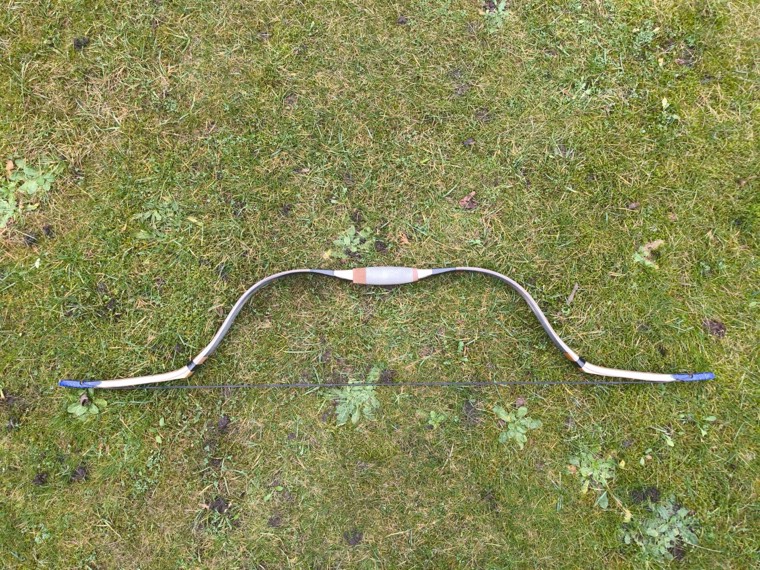
- 13th c.
The Mongol conquest
Short limbs and long, straight siyahs: stable, fast bows that the Magyar design came before. The Griffin borrows their stability.
See the Griffin - 14th–15th c.
The Timurid Empire
Turco-Mongol and Persian cultures meet in Central Asia. The Tsaagan Khad and Omnogov finds inspire the Khan.
See the Khan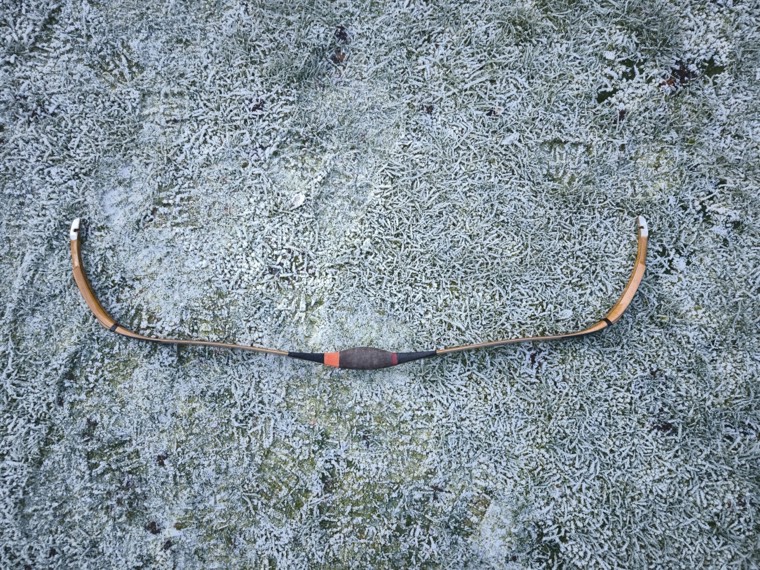
- 15th–17th c.
The Ottoman Solaks
Archer bodyguards of the sultans carry short bows built for function over form. The Solak is named after them.
See the Solak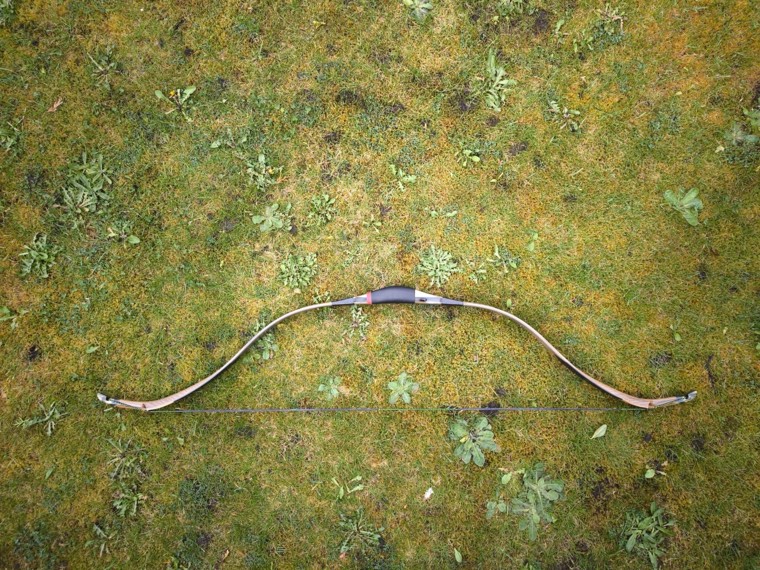
- 15th–18th c.
Crimean Tatar cavalry
For three centuries the scourge of Eastern Europe, riding as outriders on Ottoman campaigns with long, elegant bows.
See the Raider - 1683
The Siege of Vienna
The Ottomans and their allies are defeated. A Tatar bow is taken as booty, and centuries later it reaches Manchester as SA 3158, the basis of the Raider.
See the Raider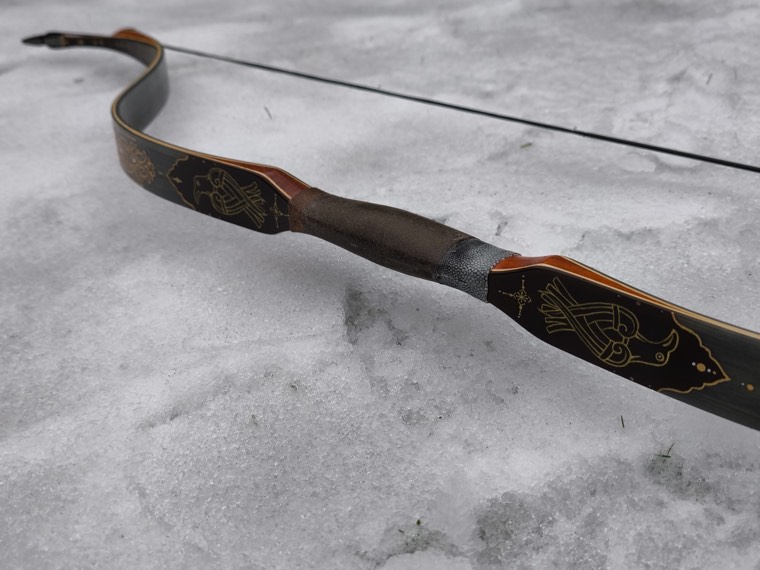
- Long-draw tradition
Korea & Manchuria
Korean and Manchu archers draw past the ear. Their influence shapes the Great Khan’s long draw and gentle kick.
See the Great Khan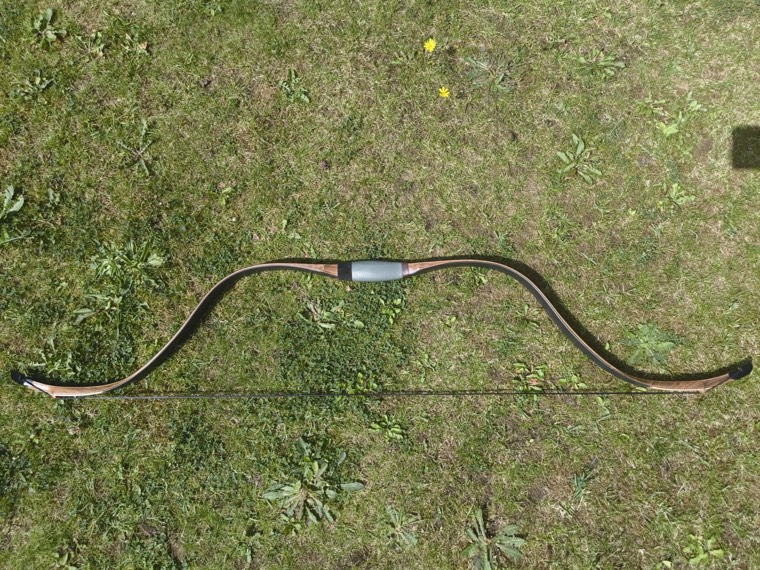
- 1990s
The revival
Interest in Asiatic-style bows grows alongside instinctive ‘barebow’ shooting.
- Today
Paragon Bows, Manchester
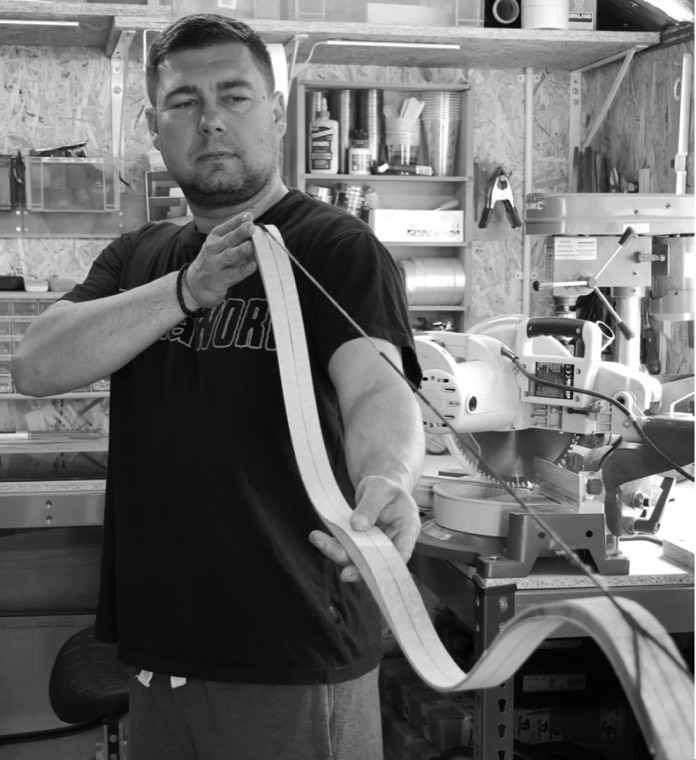
Robert Pozderka studies the originals in the Manchester Archery Collection and builds working replicas from modern laminates.
Manchester Archery Collection
The originals are a bus ride away.
Rob’s research involved painstaking examination of many original specimens in the Manchester Archery Collection at Manchester Museum. His aim: to recreate these bows accurately using modern laminate technology, starting with arguably the most elegant design of all, the Tatar.
- Catalogue no.
- SA 3158
- Type
- Crimean Tatar composite bow
- Provenance
- Taken as booty, Siege of Vienna, 1683
- Paragon model
- The Raider